

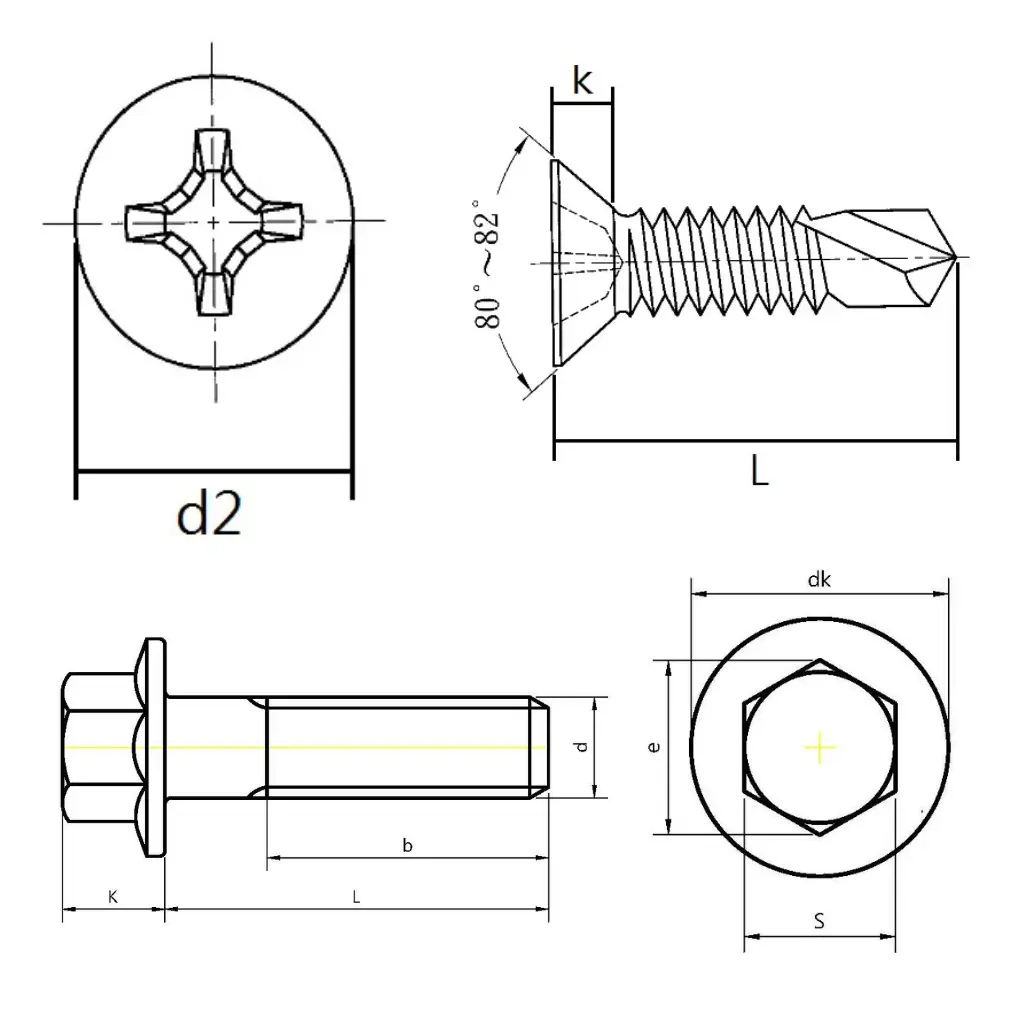
Screws vs. Bolts vs. Nuts: What’s the Difference? (30-Second Guide)
If you’re new to hardware, one of the first confusions you’ll face is telling screws, bolts, and nuts apart.
Here’s a quick, clear breakdown so you’ll never mix them up again.
🔩 Screw — the one that holds on its own
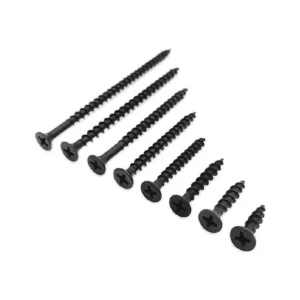
Personality:
“I work solo. I don’t need a partner.”
Key traits:
Doesn’t require a nut
Cuts or threads directly into the material
Common in electronics, furniture, and small hardware
Includes wood screws, self-tapping screws, and self-drilling screws
🔧 Bolt — the one that must work with a nut
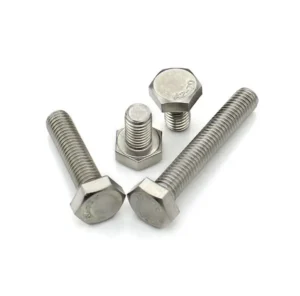
Personality:
“No nut, no job.”
Key traits:
Always requires a nut
Holds parts together using clamping force
Used in machinery, vehicles, steel structures, and equipment
Strength grades (8.8 / 10.9 / 12.9) belong to the bolt category
🔩 Nut — the bolt’s perfect partner
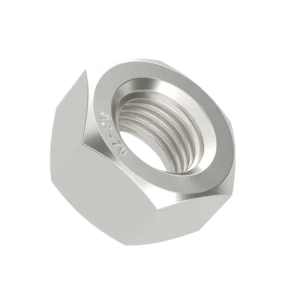
Personality:
“I make the bolt stronger.”
Key traits:
Internal threads (female threads)
Works with a bolt to create clamping force
Comes in many types: hex nut, nylon lock nut, self-locking nut, etc.
Determines the joint’s locking performance and safety
The Simple Rule (Engineers Use This Every Day)
Needs a nut → Bolt
Bites directly into the material → Screw
Holds heavy loads / locking strength → Nut involved
Mix them up, and you may end up with loose joints—or worse, damaged equipment.
30-Second Summary
Screw: Works alone; threads directly into material
Bolt: Needs a nut to function
Nut: The bolt’s teammate; essential for locking strength